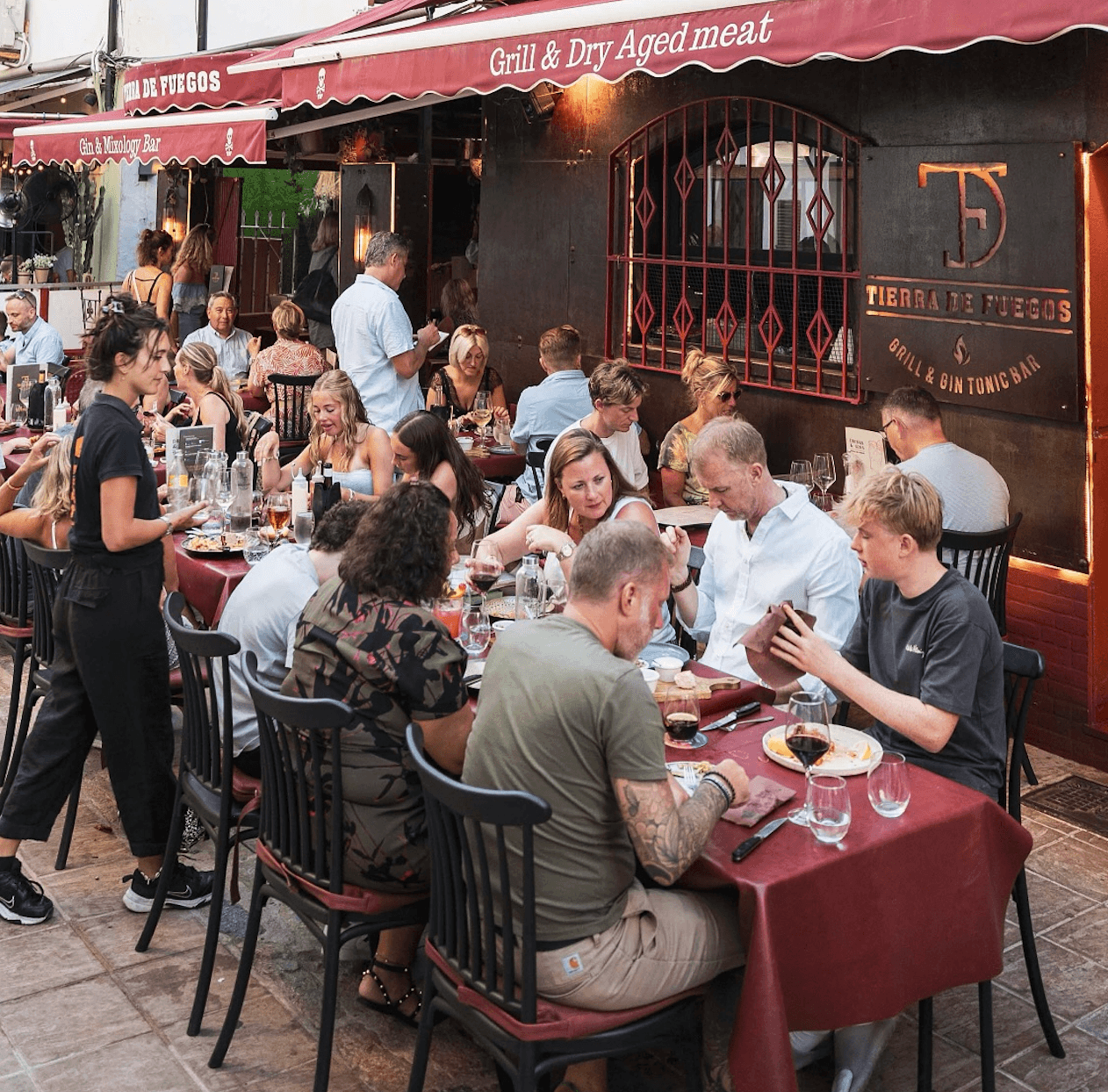
Case study · Hospitality · Puerto PollençaTierra de Fuegos:their own bookings, no fee per diner.
An Argentinian grill house with a gin bar in Puerto Pollença. The brief was never to have a website: it was to stop paying a fee for every diner who walks in. And for that, the restaurant's own channel has to be as good as the portal's.
What it is
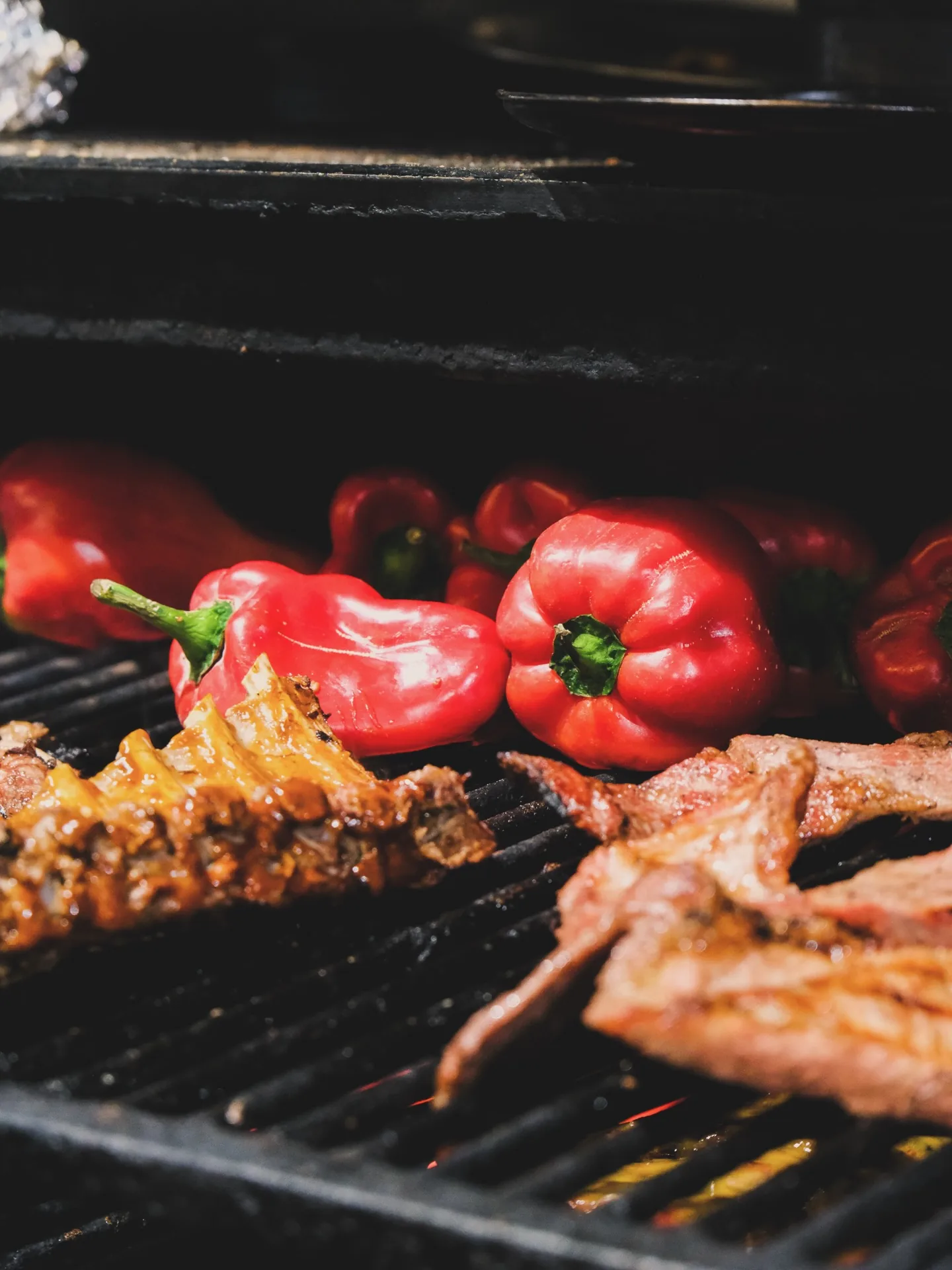
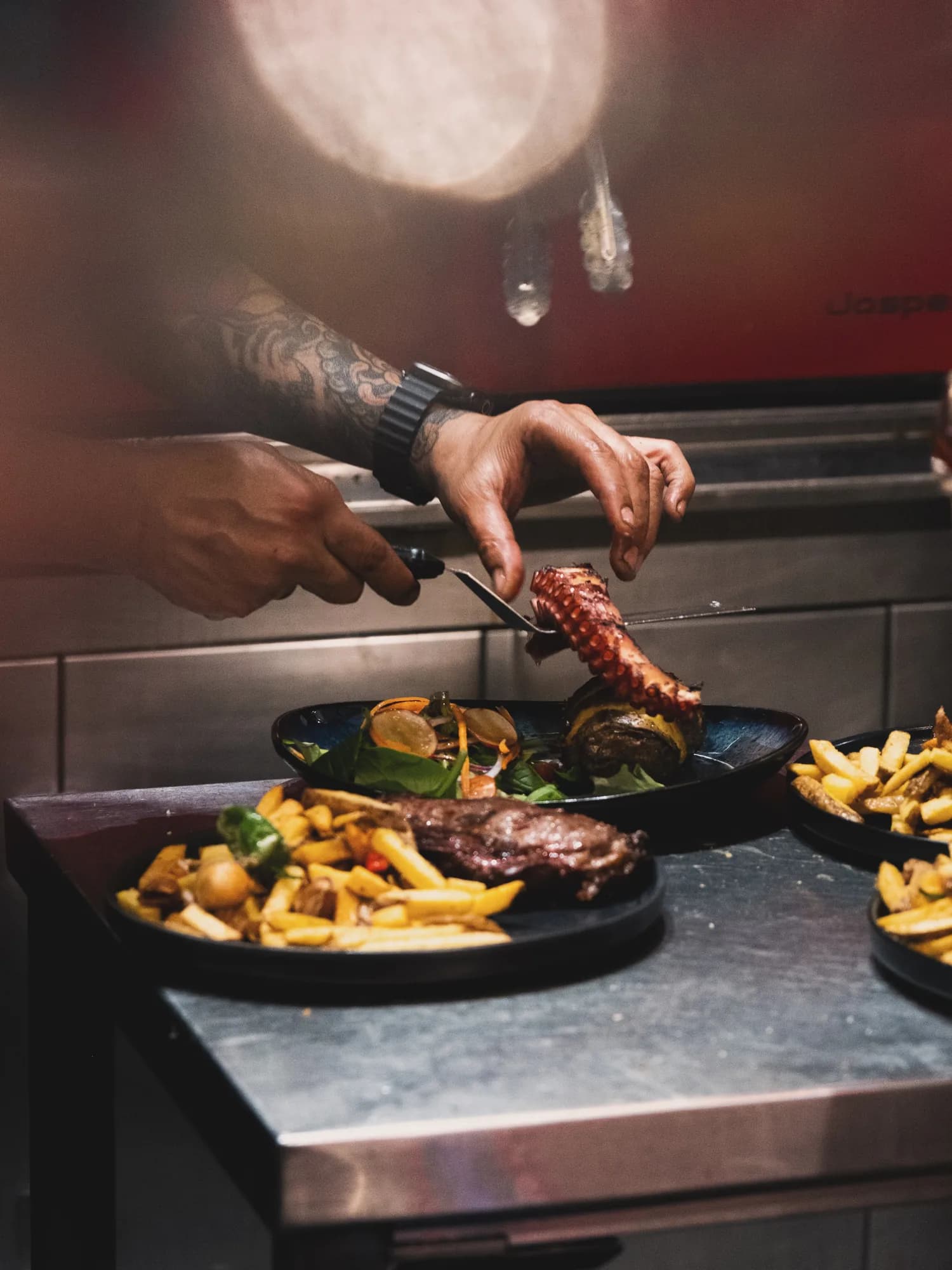
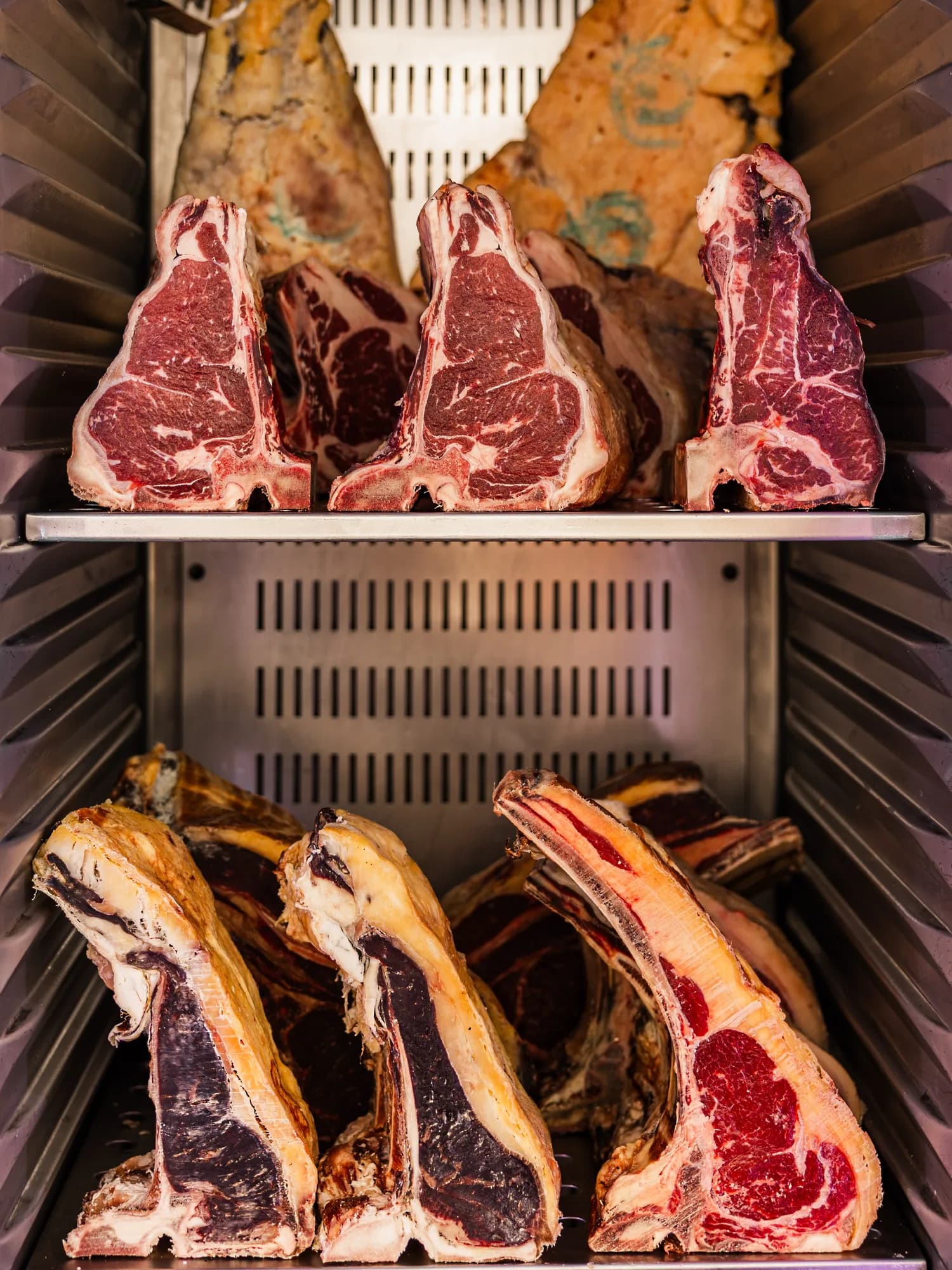
An Argentinian grill house: Josper, live fire and dry-aged beef. Plus a gin bar.
Where
Carrer de la Verge del Carme 10, Puerto de Pollença · Mallorca
The problem
The portal chargedfor every diner.
A booking portal fills your calendar, but it keeps a cut of every table and the guest too. To leave it, your own site has to do everything it does, with nobody at the venue having to reply.
A fee for every diner seated.
The portal charges per person, season after season. The better the restaurant does, the more it pays.
The guest belongs to the portal.
Whoever books leaves their details with the platform, not the restaurant. And those details never come back.
No real calendar means overbooking.
One table too many on a Saturday costs more than the commission. The booking has to know how many seats are left in each sitting.
A WhatsApp button is not a portal.
It does not confirm, count seats or alert anyone. A landing page with that button replaces nothing.
Their site, on a phone
What you see when you are looking for dinner.
Their site as it is, at phone size: the grill house, the menu by section, the gins at the bar, what people say on Google, Tripadvisor and TheFork, and the book-a-table button at the end.
What we built
Their own channel, doing what the portal did.
Bookings
Real slots, instant confirmation.
Seats per sitting: no room, no booking. The guest gets an email with a calendar file and a cancellation link, and the restaurant gets an alert on the phone.
Menu
They edit it, allergens included.
A digital menu by category, in two languages, with the 14 EU allergens, that Google can read end to end. Dishes and prices change from their panel.
Guests
The data stays in house.
Every booking feeds their own database, hosted in the EU. And table QR codes run through a link that counts where each booking comes from.
The grill house
None of this is improvised. Neither is the booking.
Outcome
What the grill house says.
“Nos ayudaron a unificar en una sola web todos los servicios que teníamos contratados por fuera. Estamos ahorrando cada año gracias a eso.”
There is no full season measured yet. When there is, their own bookings against the portal’s go here, with the period next to them.
Under the hood
Stack
Next.js 16 · Tailwind 4 · Supabase (EU) · Resend · Telegram Bot · Vercel
Deliverables
- Bilingual site carrying the grill house identity
- Indexable digital menu, by category, with allergens
- Their own slot-based booking system, cancellable by link
- Email confirmation with a calendar file
- Instant booking alert to the restaurant
- Management panel: today’s bookings, menu and guests
- The venue’s floor plan, table by table
Your restaurant
What does each dinerfrom a portal cost you?
Multiply it by a full season and you have the budget for your own system, one that also keeps your guests’ details. And it grows in phases: at Tierra de Fuegos, the floor plan is already live.